(2).png)
?It's only 130 kilometers from the heart of Jakarta to Bandung, but it took us a five-hour drive to get to our destination – the construction site of Jarkarta-Bandung High-Speed Rail (HSR).
The traffic jam along the way was nothing like we've ever seen before. We left Jakarta early in the morning at 7:30 a.m., and arrived in Bandung a little after noon.

Indonesia's traffic congestion is a real headache for urbanites, but the Southeast Asian country has looked to China for solutions – and relief.
The railway, currently under construction by the China Railway Engineering Group (CREC), stretches 142.3 kilometers. It crosses nine counties and cities, with four planned stops. Bridges and tunnels make up some 72 percent of the project.
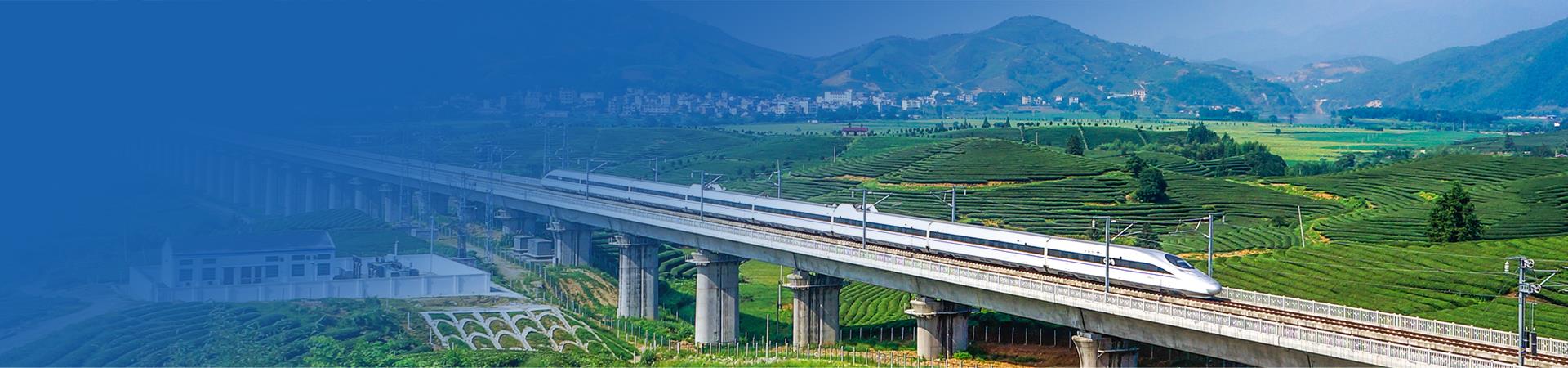
Once completed, trains running at 350km/h will ease pressure on Indonesia's roads and cut travel time significantly.
On a good day, it takes about four hours to drive between Jakarta and Bandung. But with gridlocks, the ride could last as long as 10 hours. However, it will take commuters just 40 minutes to travel between the two cities when the railway comes into service.

Outlooks and obstacles
This chronic urban problem is on its way to be solved. However, concerns and doubts about the project persist, including about land acquisition bottlenecks and cost overrun.
Hendra Mardiana, senior adviser to the CREC Jakarta-Bandung HSR, told CGTN that the project is very important for the Indonesian government and people, as it will help develop domestic infrastructure building skills and shore up employment. The project is expected to offer as many as 39,000 jobs to local workers.
Increased and more convenient inter-city connectivity will spell a boon for the economy, with the cities of Walini, Karawang, and Bandung expected to develop into important business hubs.
Mardiana said that it's normal for a huge infrastructure project like this to spook locals, with many worried that it will cause the government coffers to strain under unsustainable debts. He clarified that the HSR is a B2B (business-to-business) project, with both Chinese and Indonesian companies sharing the loans.
The China Development Bank is providing loans, and PT Kereta Cepat Indonesia China (KCIC), the joint venture running the project, will pay back the debt after the high-speed rail begins operation. The Indonesian government is not involved in financing the project.
The expert also noted that acquiring land was one of the biggest obstacles in the high-speed rail project. But around 95 percent of the land needed for the railway had been secured, with the remaining five percent expected to be cleared before the end of June.
He said that according to KCIC, the Jakarta-Bandung High-Speed Railway will be put into operation in 2021, with tickets from Jakarta to Bandung costing 16 U.S. dollars.
Speaking of the future of Indonesia's high-speed railway network, he said that if operations of the Jakarta-Bandung HSR go smoothly, the country might consider extending the rail from West Java to East Java's Surabaya.

The Walini Tunnel
The Walini tunnel, located behind lush tea plantations, is the first formal project of the Jakarta-Bandung HSR. Construction is expected to be completed in May, according to Zhang Wei, general manager of the railway project for the China Railway Engineering Corp.
Once successfully completed, the tunnel would be an example of what is yet to come along the railway, while providing experience for other sections of the project, Zhang added.
"As the first formal project of the Jakarta-Bandung high-speed railway, the successful completion of Walini tunnel will mark an important step in the overall construction."
A stretch less than 132m of the tunnel remains unfinished.

Connecting with people
CGTN spoke to researchers in the Habibie Center about this project and the Belt and Road Initiative (BRI) in general.

They said that there are misconceptions about the BRI, and called the situation unfortunate. Concerns have revolved around China's work in Indonesia and the high-speed rail. But China is not alone in facing such obstacles – Japan and South Korea have been in a similar situation.
A. Ibrahim Almutaqqi, head of the ASEAN Studies Program at the think tank gave Japan as an example.
Japan's investment in Indonesia increased sharply in the 1970s, with anti-Japanese protests erupting in 1974. That prompted Tokyo to change course in the country and brand itself as serving the Indonesian people instead of doing business in Indonesia.
The experts said the Chinese side has held many seminars about the Jakarta-Bandung HSR, but most of them failed to establish a true connection with everyday Indonesians as locals could not fully grasp how convenient the project is. They advised the Chinese side to rethink their approach.
The Jakarta-Bandung HSR is the first in-depth cooperation project between China and Indonesia. If everything goes as planned, the success of the HSR will boost bilateral cooperation and enhance ties between Jakarta and Beijing.
(Cover: The Walini Tunnel. /CGTN Photo)
?
?
?
?
?
?